Homestead Trail and Livingston Trail Loop

25 and 26 of 52

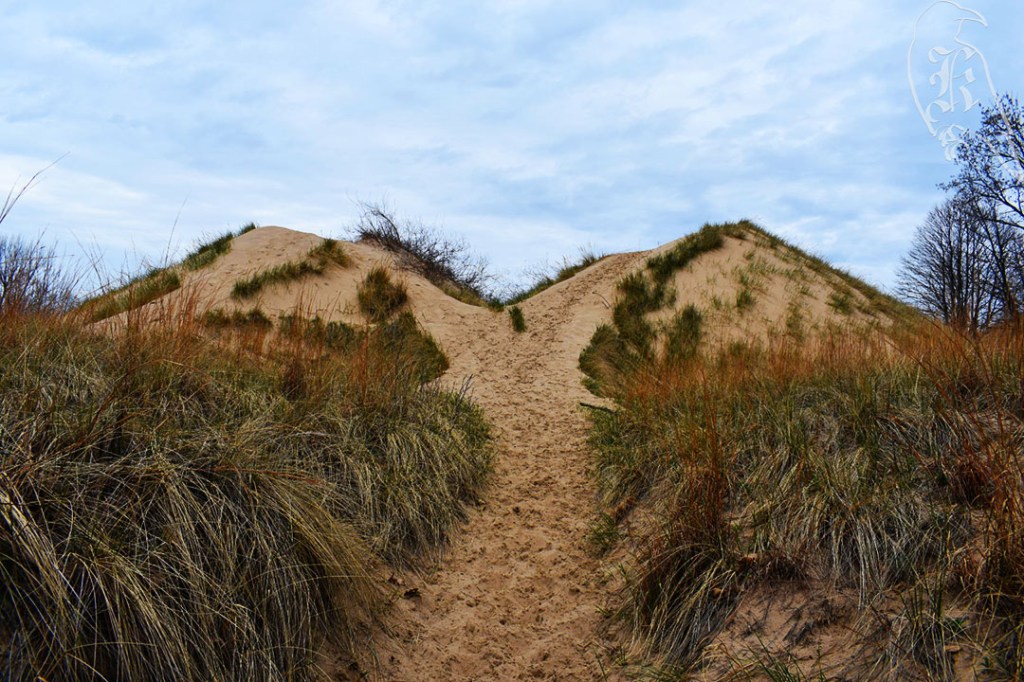
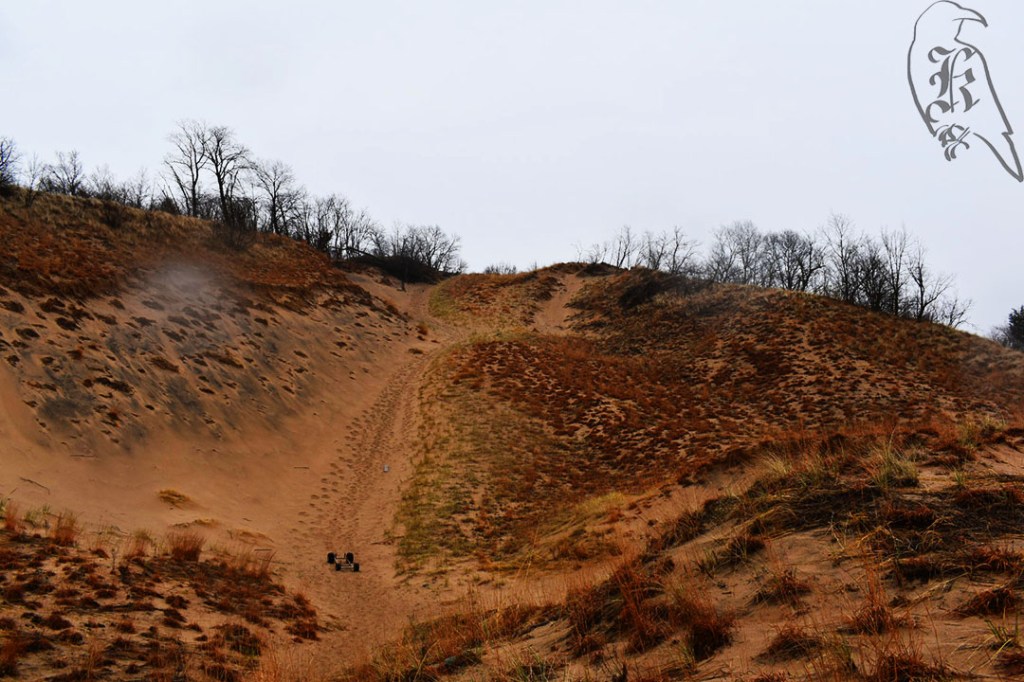
I usually plan my hikes to make my mileage match at least the amount of hours I drive, but I decided to be a little smarter about hiking the dunes this time, so I gave a bit of leeway. 5 miles (total) on the road led to almost 5 miles hiked over sand, my least favorite terrain. Due to over a decade of biomechanical issues in my legs, I think the shifting of the sand just makes me feel more unsteady than normal, which leads to a rough day after hiking and just a general uncomfortable feeling throughout the day. But, I never have learned to back down from a challenge, and I will continue to tackle the sand dunes that are so prevalent on the Michigan shorelines. Just, maybe a bit more carefully than some of my other trails.

Homestead Trail

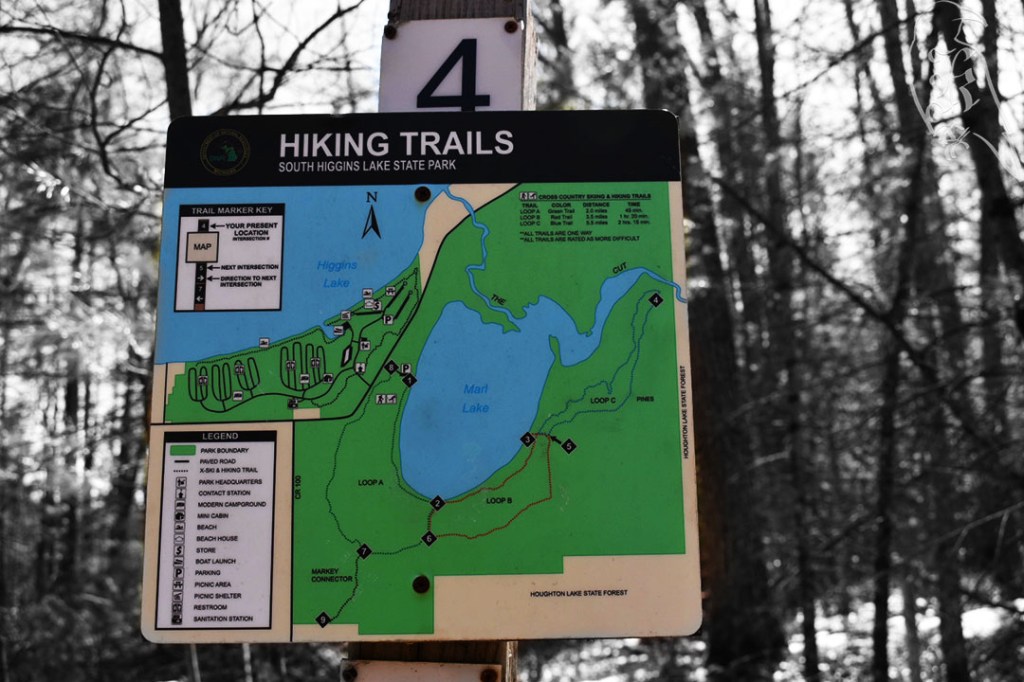
The majority of this 2.4 mile trek was sand or wood, which was quite rough on the legs, especially with my disdain for sand. Still, the trail was well-marked and there was no actual dune climbing on the trail, unless you chose to take some detours. Due to impending storms, I did end up cutting out both the Dunes Overlook and the Quiet Area (the most remote part of the park). While the Visitor Center spoke to the history of these beautiful dunes, I can’t speak to it though, because it was closed.

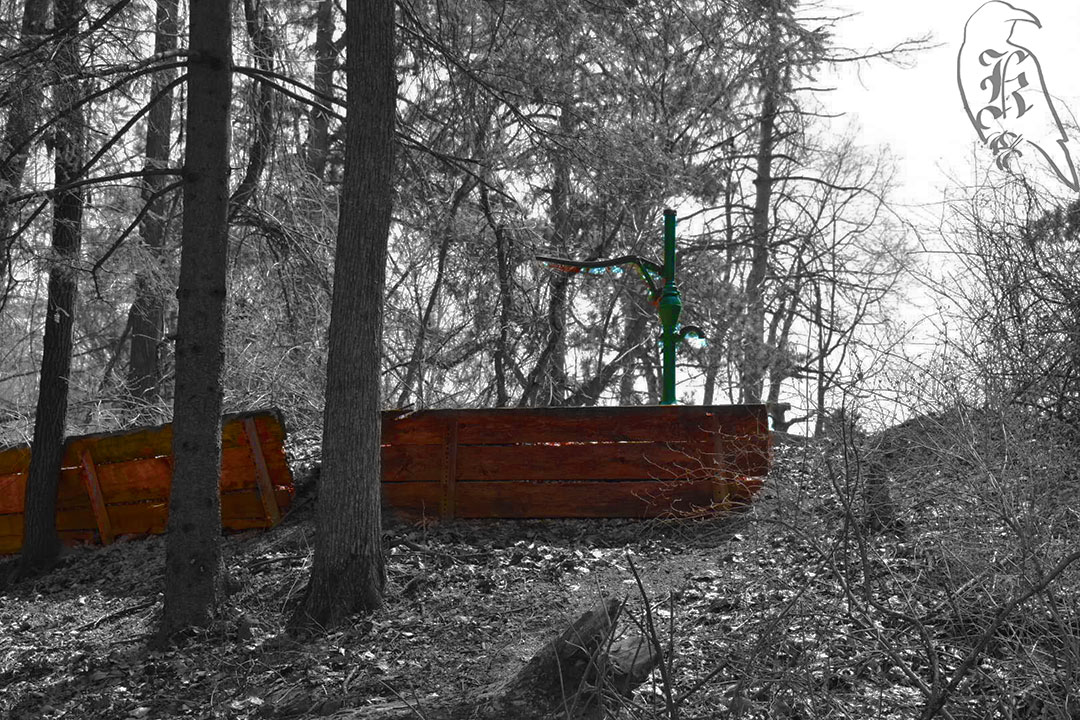
The park is named for P.J. Hoffmaster, Michigan’s first superintendent of parks and the Director of Conservation (1934-1951). He was considered the founder of Michigan’s state park system and the area is dedicated to the work he did throughout his life. I find this interesting considering the small dedication to Black outdoor activists that I came across in the latter part of my trek. Although clearly temporary, relatively recent additions, I do hope the park considers a more permanent dedication to these people. I know I certainly learned a lot.
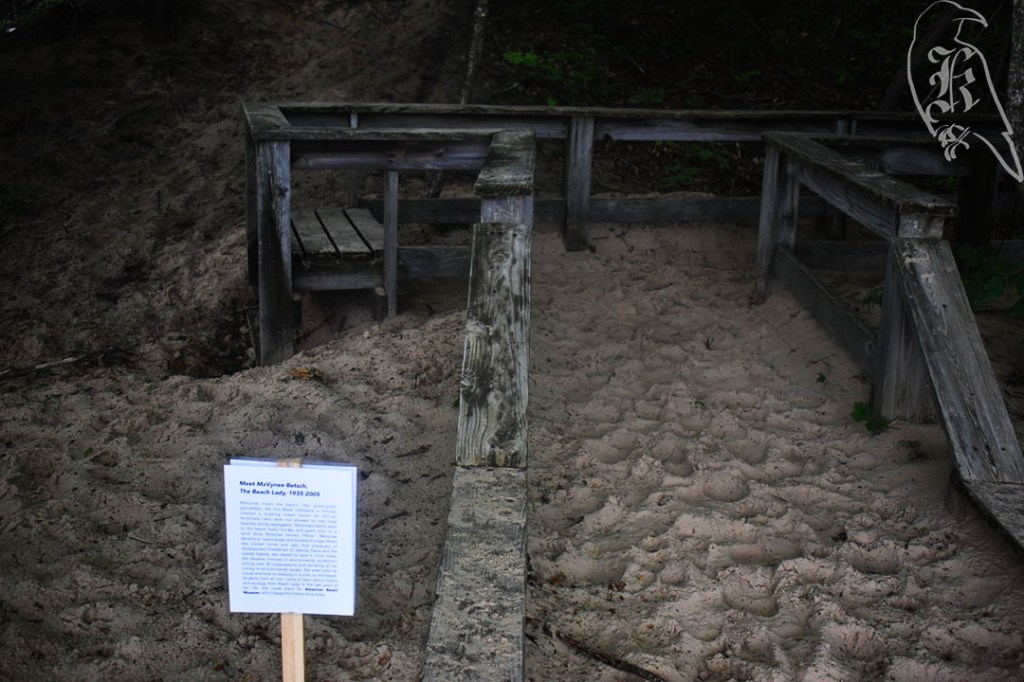
  • MaVynee Betsch, The Beach Lady – An opera singer by trade, Betsch grew up on American Beach, a haven for Black Americans in the Jim Crow South. When she returned home in the 1950s, she spent the rest of her life attempting to conserve the area and educate people on the Black history of the area. While she would never see the opening, Betsch developed the idea of the American Beach Museum to carry on the legacy.
  • Shelton Johnson, Park Ranger – A Detroit native of Black and Indigenous backgrounds, Johnson has worked for the National Park Service for almost 30 years, educating people on the diverse history of the outdoors. Johnson wrote Gloryland in 2009 to tell a fictional tail of a Buffalo Soldier.
  • Rue Mapp, Outdoor Afro – Rue Mapp founded and is the CEO of the non-profit Outdoor Afro, which is a volunteer service that facilitates opportunities for Black people’s connection to nature.
  • Sir Lancelot Jones, Conservationist and Educator – Sir Lancelot and his brother, King Arthur, who received their father’s pineapple plantation, Totten Key, in 1929. Surviving on this piece of land taught the brother many things and, upon King Arthur’s death, Sir Lancelot sold his land to the National Park Service and dedicated the rest of his life to preserving and educating what would become Biscayne National Park.
  • Queen Quet, Chieftess and Art-tivist – An advocate for the Gullah/Geechee people, Nation, and continued culture, she worked to get her people officially recognized as a people in her continuous attempts to preserve their culture, heritage, and land.
  • Audrey Peterman, Earthwise Productions, Inc. – She is a writer and journalist that is the President and Co-founder of Earthwise Productions, Inc., which works to help provide more inclusive environments in national parks.
  • Betty Reid Soskin, Oldest National Park Ranger – When Richmond, CA opened the Rosie the Riveter/World War II Home Front National Historical Park, Betty joined the ranks at age 88, as a former Rosie the Riveter, wanting to make sure the diverse voices of the war movement were heard. At 99, she is the oldest national park ranger.
  • Jason Brown, Farmer – Brown left the NFL at 28 and became a farmer, now managing a 1,000-acre farm, First Fruits Farms, which he uses to support the community.
  • Dr. John Francis, The Planetwalker – Franco has walked the world for decades and has taken a vow of silence to become a better listener. He founded Planetwalk to continue advocating for environmental awareness.
  • Teresa Baker, Hiker and Activist – Teresa founded the In Solidarity Project to further her continued work to make a more diverse outdoor space. She has worked on several projects to help highlight the diverse history of the outdoors and to create opportunities for more diversity in the outdoors.

Livingston Trail Loop
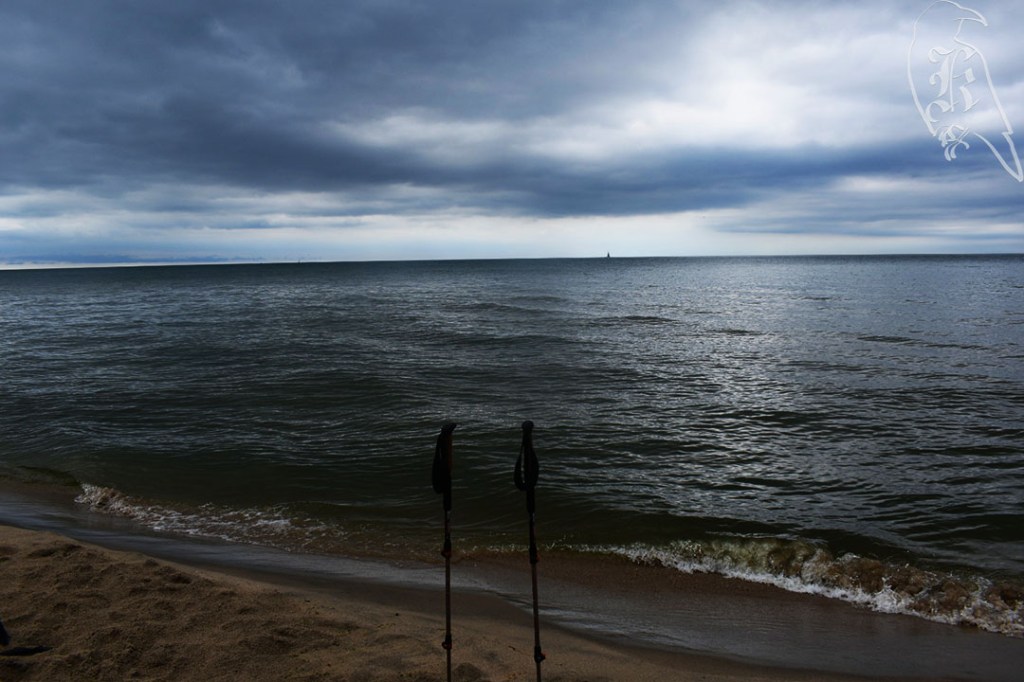
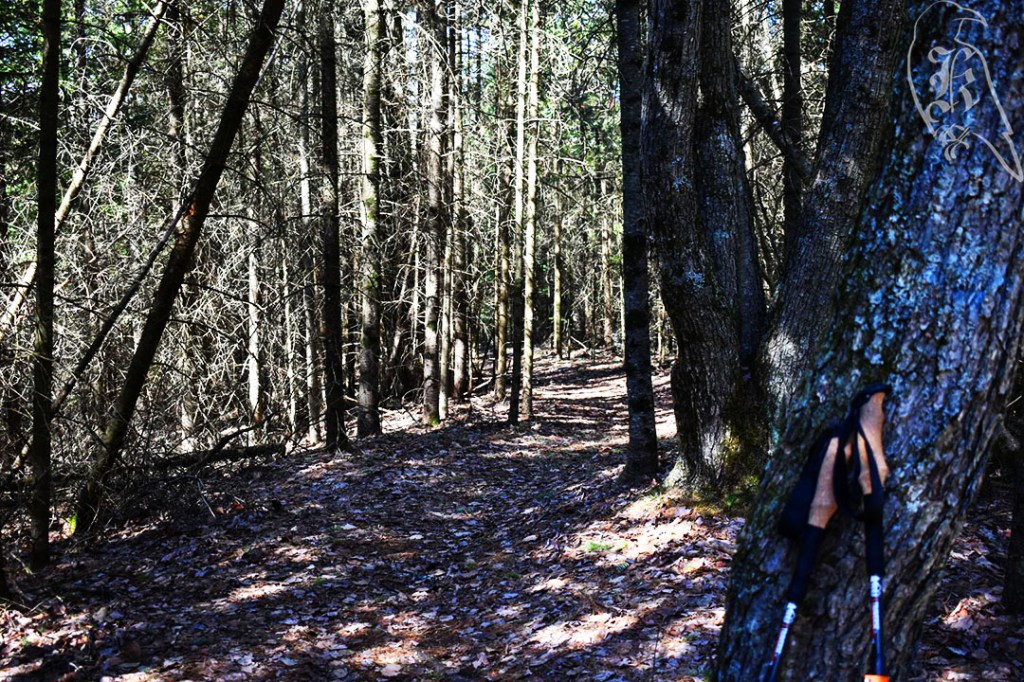
I actually just took the North Outer Loop of the Saugatuck Dunes State Park trail system instead of going in search of this offshoot, but it didn’t cut my trek by too much.  The trail was not extremely well marked, so I didn’t want to chance getting lost, especially after getting stuck in the storm (that I missed in my first hike). Rain sucks, but the trail to the beach was well covered in most areas (though, the outermost part of the loop was exposed).
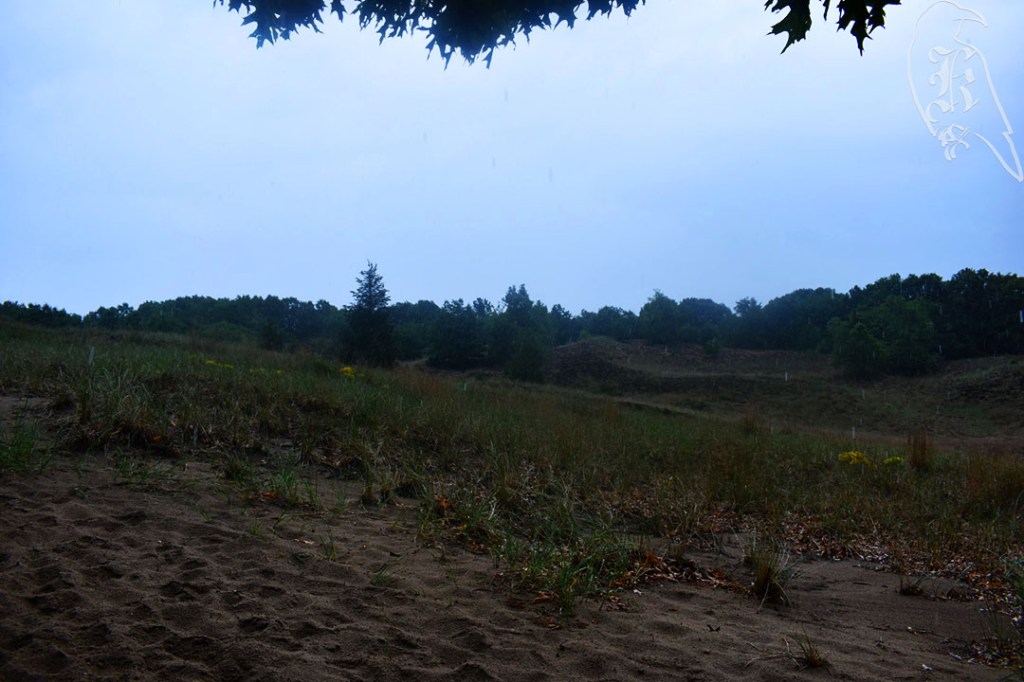
You have to climb a dune no matter what if you go all the way down to Lake Michigan. There’s no way to avoid that, but you also don’t have to climb down to the shore. There were a lot of people on the beach, even though you have to hike at least a mile to get there, on some challenging terrain. I truly found that interesting, and that all of these people had way more energy than I did.

Matthaei Garden Trail

24 of 52

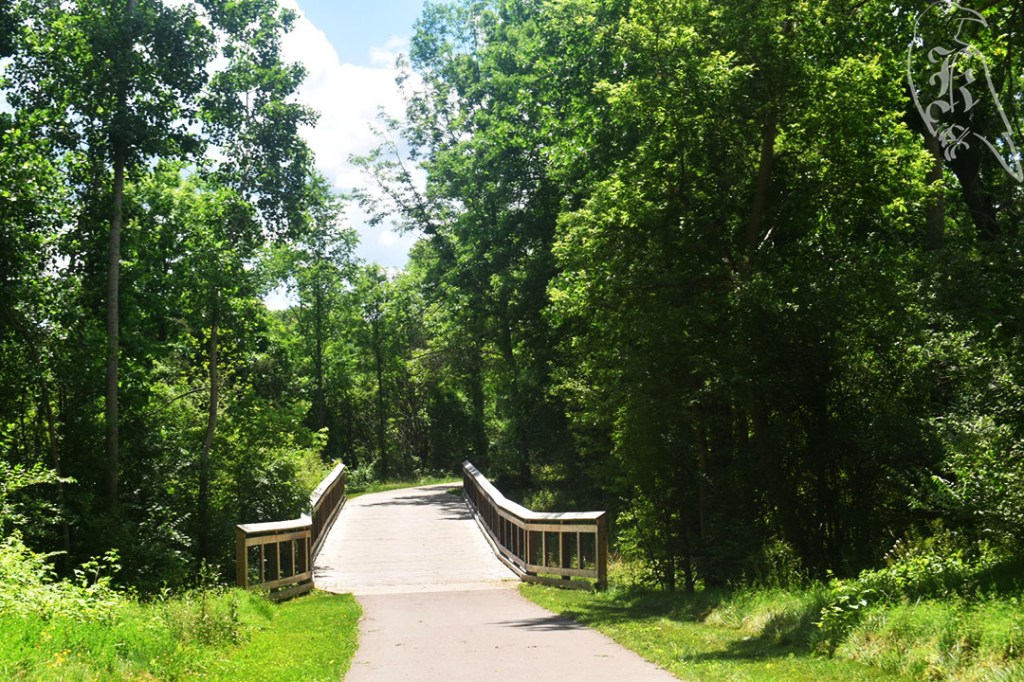
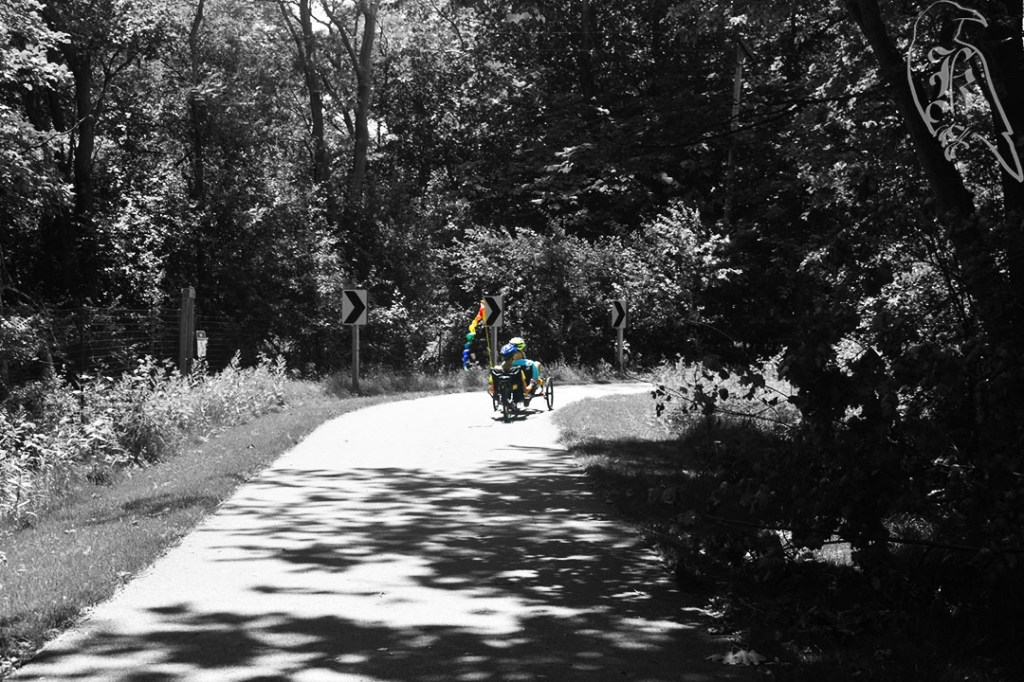
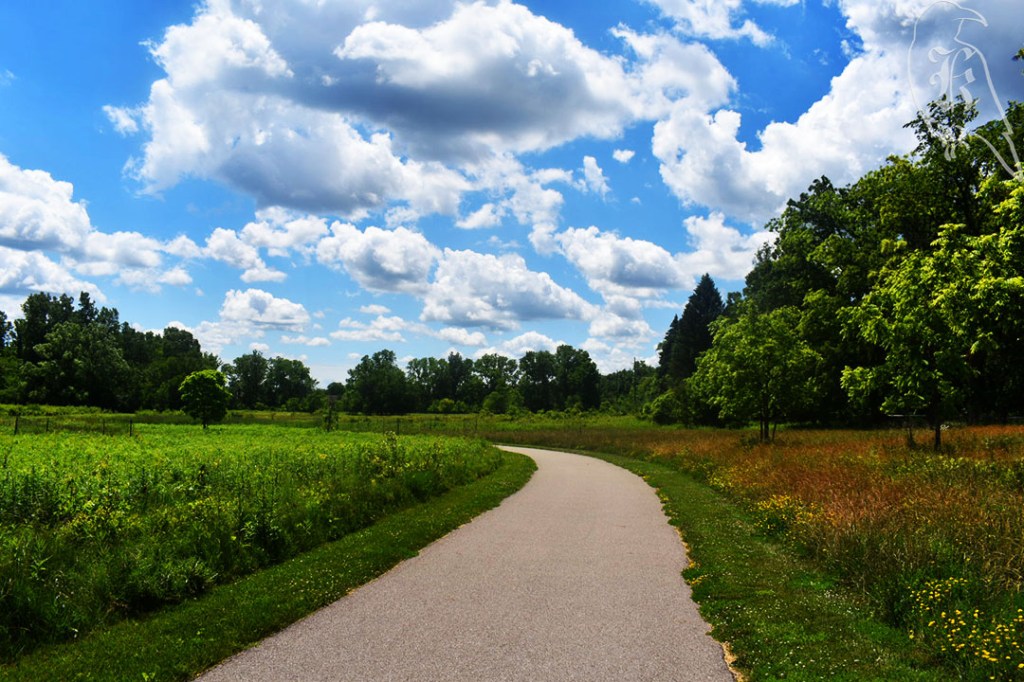
A 4.3 mile walk close to home is always nice, especially when joined by my little brother, but calling this a “trail” was a little hard for me. The Matthaei Botanical Gardens are a popular greenery area part of the University of Michigan Ann Arbor campus. This particular trail is actually a biking and walking path, which takes you through the Radrick Farms areas of the gardens on a paved path.

Approximately half of this trail does not provide any shade, so, during the summer, sunscreen would be highly recommended. If you begin the trail from the botanical garden, getting to the trail is actually an unpaved experience, but taking the entrance from the Dixboro Rd. and Geddes Rd. intersection actually makes the path handicap accessible. 
This trail was also our first experience with cicadas this summer, although we really only encountered them for about a mile and a half of the walk. While my brother did have one of them land on him (he’s not a big bug guy), they really weren’t as bad as some of my past experiences, but that true cicada sound was present for most of our adventure.

Chippewa Trail and Reid Lake Foot Travel Area

22 and 23 of 52

Chippewa Trail

The Chippewa Trail is actually part of the Negwegon State Park’s trail system, which is also host to the Algonquin and Powhatan trails as well. With a planned 7 miles ahead for just this trail, I headed out relatively early to get ahead of the heat (and hopefully the bugs). This trail is a little harder to get to than most, so be aware of the 3.9 miles of unpaved, single lane road out to the trailhead. It has no winter maintenance and can be rough on the tires. Another reason I’m glad I’ve ended up with an SUV.

My Saturday morning felt like a Monday, when I got to the trail and realized I had left my sunglasses, prescription orthotics, and trail book at home. Only one of those posed any huge threat, as I use my book as a backup map and my sunglasses just make things a little darker, but I refused to let that deter my day. I headed out with the hopes of truly testing out my new water bladder, sun gloves, and copper-lined gloves (for a bad wrist) and enjoying my day in the woods.

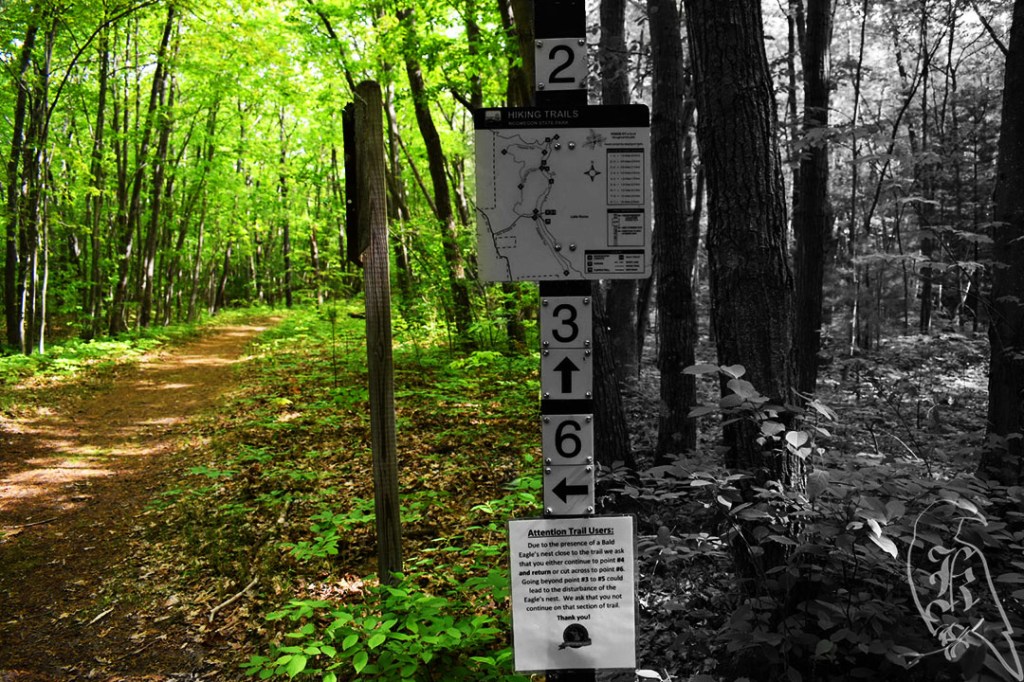
Unfortunately, to add to my Monday-like Saturday, my bug spray didn’t seem to actually get rid of the bugs. While it was possible that the bites I noticed on my arms were from a Pride event the night before, I ended up with some nasty spots on my belt line, which were just uncomfortable by the time I got to the end of the trail. The DNR notice of nesting bald eagles also cut into my hike. These notices were well posted to help protect the animals, but it cut my trek by almost 2 miles and almost made me miss seeing Lake Huron, even though you are so close to it for the majority of the time.

The final leg of the trail was pretty marshy and felt like it should have had a boardwalk on it (or, in some spaces, that it used to have a boardwalk on it). Nothing was hard to traverse though, and it was a relatively pleasant walk. There are a few backcountry camping sites on this system, but be sure to plan that ahead of time, if you are interested. These sites require previous registration, so it can’t just be done on a whim.

Reid Lake Foot Travel Area

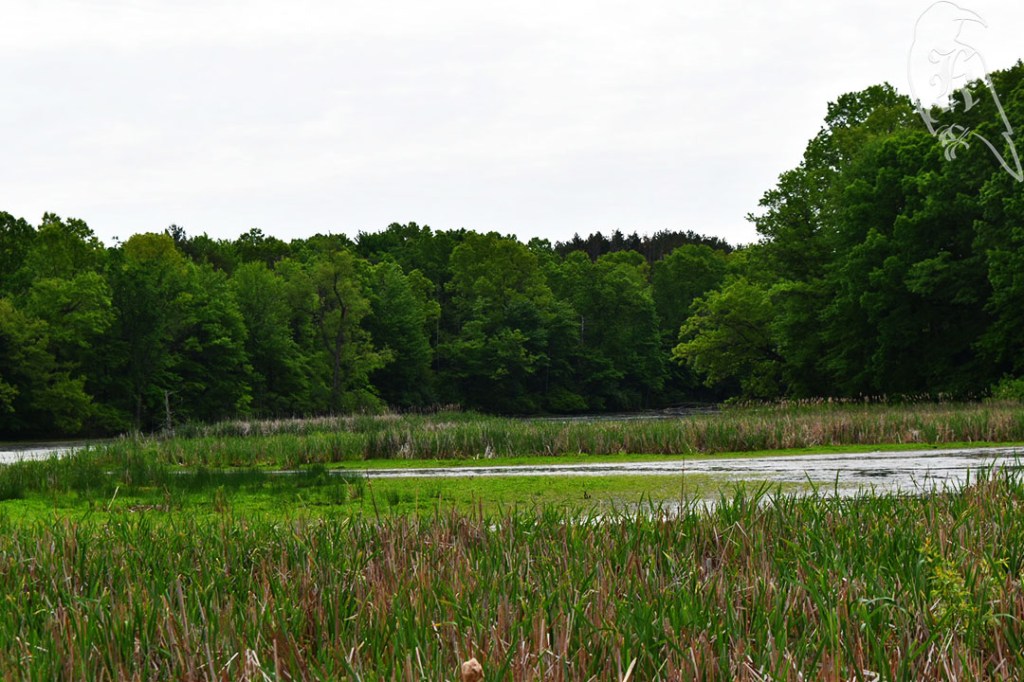
The Reid Lake Foot Travel Area requires a fee for parking, but this $5 can be taken care of when you arrive at the trailhead (just don’t forget to bring cash or a check). While I saw plenty of wildlife during my day, Reid Lake brought a plethora of dragonflies to my day.

Unfortunately I’d have to disagree with DuFresne’s description of the trail and its ease of use. 50 Hikes in Michigan describes the trail this way:

“Trekking is not hard at Reid Lake. The trails are well marked with blue blazes, the junctions are marked with locator maps, and the gently rolling terrain contains few climbs of any significance.”

DuFresne, 79

While it is stated that the trails will be marked blue, I do not recall seeing many of these markers around, and while there ARE locator maps, I was easily confused by them and ended up taking a wrong turn pretty early on. The terrain IS nice and rolling though. Unfortunately, and this may be due to how early in the season it is, many of the areas are extremely overgrown and, in places, it is pretty easy to lose the trail.

Due to the wrong turn, I ended up cutting this trek a bit short too (though, by less than a mile), but I think my feet were thanking me in the end, due to my lack of proper support. I did discover how generous spotty GPS can be though. Both my Fossil and FitBit tracking had me way over the mileage I had done. This trail and my issues with it reminded me to keep my expectations low, even when trails are talked up so much. But, still, a day out in the woods is better than most days, even when being eaten and a bit lost.

River and Blue Trails

21 of 52

For just the second time this year, I was joined by a friend for this nice 5.8 mile trek through the woods on my year anniversary of getting back into hiking. I can say, without a doubt, this went much better than my trip this time last year, which left me contemplating why I had ever liked hiking in the first place. Of course, I reevaluated that, got better prepared, and have started on this new journey since then.

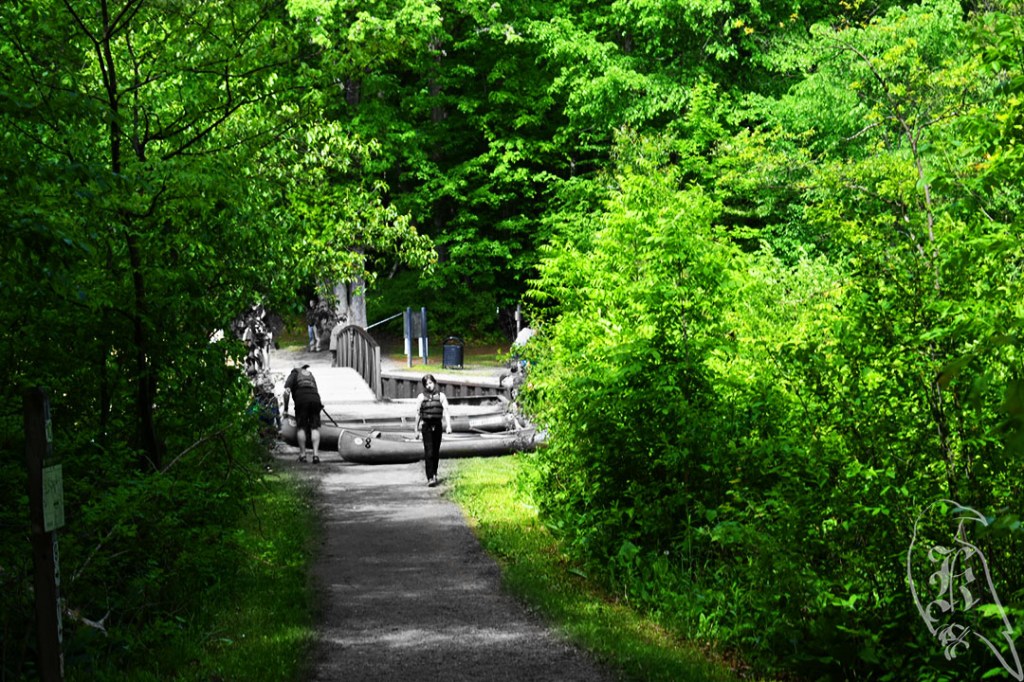
This trail system in the Proud Lake Recreation Area offered a lot of options for our day and was very hit or miss on if it was well marked or not. If it had not been for my AllTrails app, I would have been lost in the first quarter mile of the hike, but there were good maps once we got about half a mile in. It was relatively easy terrain to traverse and there were points of great beauty, including the bridge about halfway through that let us watch canoe and kayak launches and a plethora of water fun in the area.

O]]u

At about the halfway point, we did have to traverse a road for about half a mile, but both trail portions were marked way, which has not been my usual experience in those situations. The boardwalks were also continuously questionable, but it did appear that they are being fixed up throughout the trail, just be a little caution on them, as some are loose and some just sway precariously.

AllTrails marks this trail more accurately as the “Marsh Trail, River, Red, and Blue Trails Loop,” but there are so many options here to make the hike both longer and shorter. It was very well traversed, offers hike in campsites, and seems to be extremely dog friendly. We met lots of good boys on the trail! This was also a nice reintroduction to something I love after a very long month away from the trails.

Highbanks Trail

20 of 52

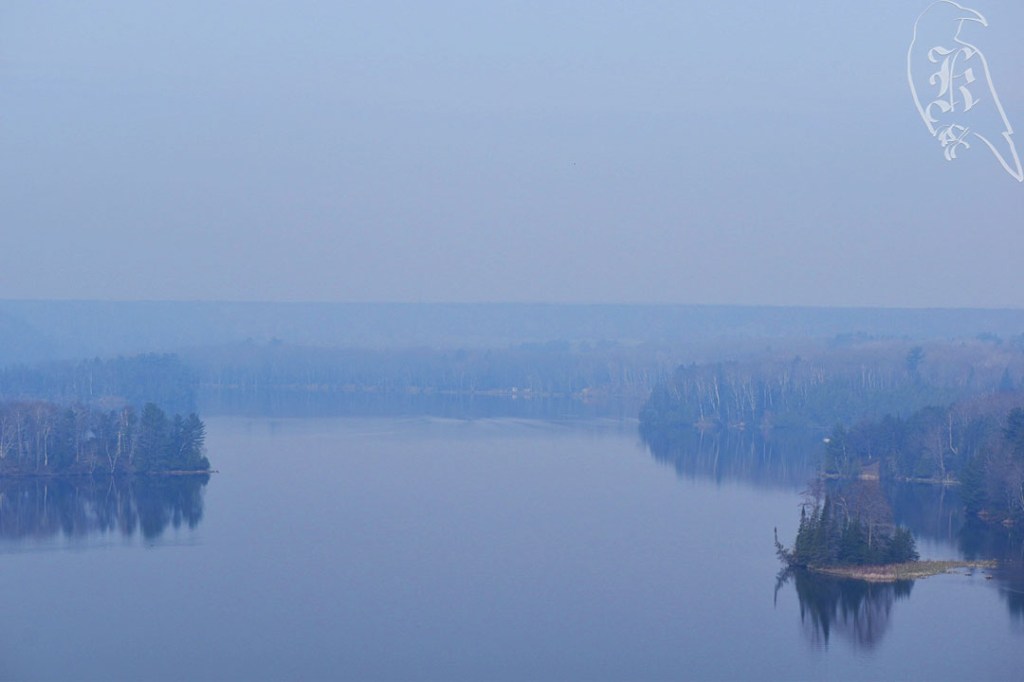
My first glimpse of the AuSable that morning was a mix of fog and smoke over the water.

I set out this lovely Saturday to beat my personal bests in both individual hike and single day milage, which I accomplished. I hiked the entirety of the Highbanks Trail, which is a 12.7 out and back along the AuSable River between Oscoda and Iargo Springs. The “difficulty” of this trail is definitely in the length, not the trail itself, but I really appreciated the challenge and the since of accomplishment that finishing it brought me. I started and Oscoda and hiked back, but 50 Hikes in Michigan has you start in Iargo Springs and only does a portion of the trail, just past Lumberman’s Monument. I felt the book was a bit misleading, actually, as it only counts the OUT in its hike and is actually only a portion of the trail. Still, this is a good thing to remember when planning for some of my other hikes. I ran out of water with about two miles left of my hike, so it may finally be time to invest in a water bladder. 

Forestry Discovery Trail

Right before I got to Lumberman’s Monument, I ended up on the Forestry Discovery Trail, which was super cool, as it taught you about the lumber industry which used to thrive in Huron National Forest and talked about the efforts that U.S. Forestry makes now to ensure the forest is growing healthy and protected. Lumberman’s Monument (my quarter-way point), near Monument Campground was hopping. Using it as a short break point, I kept myself masked due to all the people.

Lumberman’s Monument

Then, I came across a first, the remnants of a forest fire. While I only hiked through approximately half a mile of burned forest, crossing paths with the forestry workers, this was an offshoot of a bigger fire in Brittle that had consumed 200 acres by that morning. Due to this, there was constant noise on the entire trail, as Forestry worked with chainsaws and planes and helicopters kept tabs on the incident overhead. For safety, Monument Campground was closed, but all other public spots in the area remained open.

Following this encounter, I came across Canoers’ Memorial, which had a beautiful view of AuSable River, and told me about the AuSable Marathon. (I thought running marathons were rough, but an overnight 120-mile canoe race sounds insane to me.) When I finally made it to Iargo Springs for my half-way point and some lunch, I met with a state officer who filled me in a little more about the fire, assuring me the area I was in was under control. I did not hike down to the springs (a 300-step trek from the observation deck), because I was over 6 miles in and had another 6 to go, but I did see several people go on that adventure while I sat there.

Canoers’ Memorial

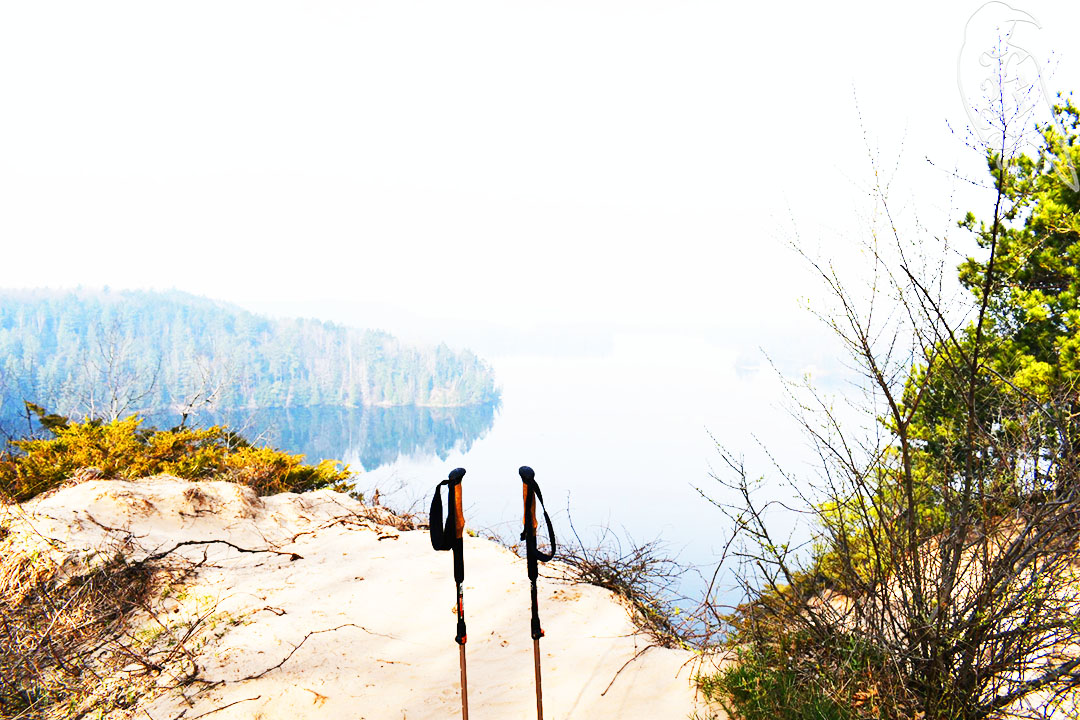
I was disappointed that you don’t get to see more of the AuSable on the trail, because you hike alongside it the entire time, but often can’t see its beauty. There are a couple of great dune overlooks that are worth climbing up for those views though. I was also surprised to learn a good portion of the trail is along power lines, so that was a little rough too, especially because the terrain around them were much more sand than the beaten path of the woods you also encounter.

Pine Valleys Pathway and Silver Creek Pathway

18 and 19 of 52

Pine Valleys Pathway

For the first time this year, I did not come across a single other hiker on this trail. Pine Valleys Pathway is actually several loops that allow you to choose how you see the area. I ended up taking the Outer Loop for approximately 5.5 miles, although 50 Hikes in Michigan suggests the Inner Loop at 4.1 miles and the AllTrails app suggests the Middle Loop at 4.6 miles.

Due to trekking the Outer Loop, I experienced a bit more noise than you would likely hear on the other paths, because there is a good bit of area that parallels ORV trails, which is the only place I saw other people. Without this route, you would only cross access roads instead of running along the actual trails.

The trail itself is pretty well marked, but reading some of the posts can pose some difficulty if you are on the shorter side. Seriously, most of these map posts were hard for me to read at 5’6” but they were helpful. The terrain was low impact, with the path sporting grass, sand, and dirt. There were some areas where I felt there may be a concern for snakes due to holes in the path, but there was no posting of potential dangers and I didn’t see any of the animals. The animals I did see gave me the slip as I tried to get some good shots of a small group of deer that I chased for probably half a mile. There should be fair warning that the trail is deceptively steep. I didn’t use my trekking poles here because of the gradual rise and fall of the trail, but my legs definitely felt the work.

Silver Creek Pathway

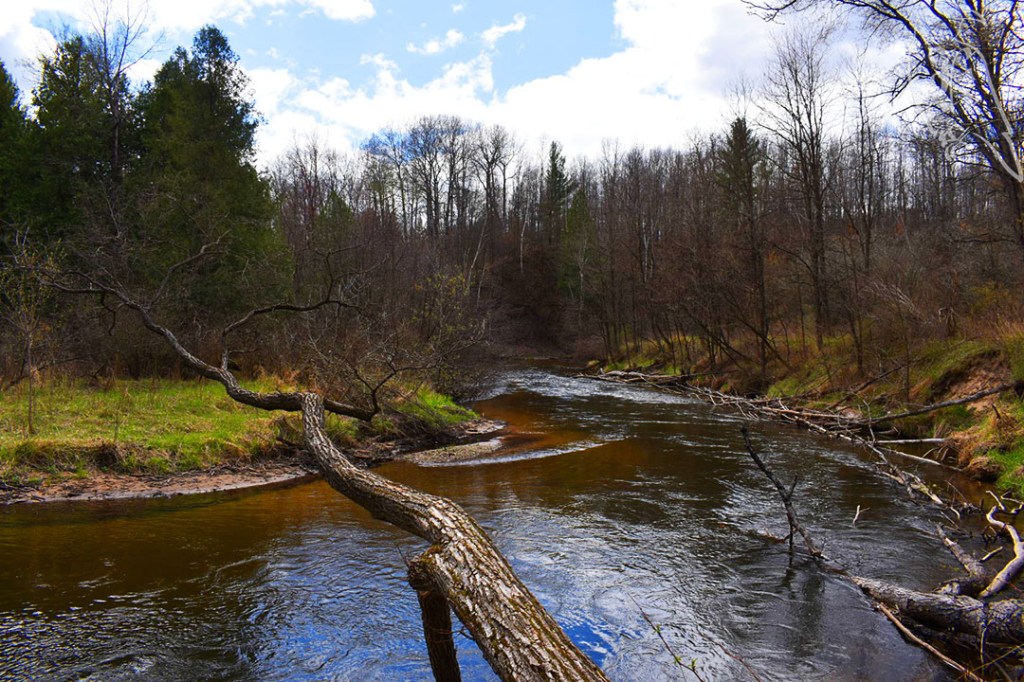
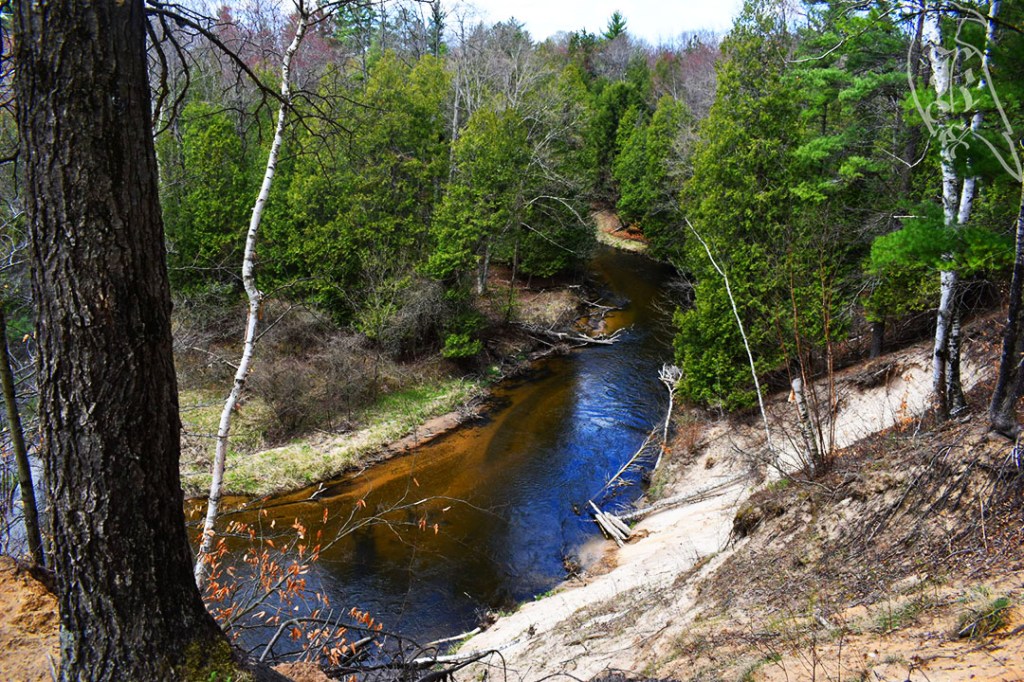
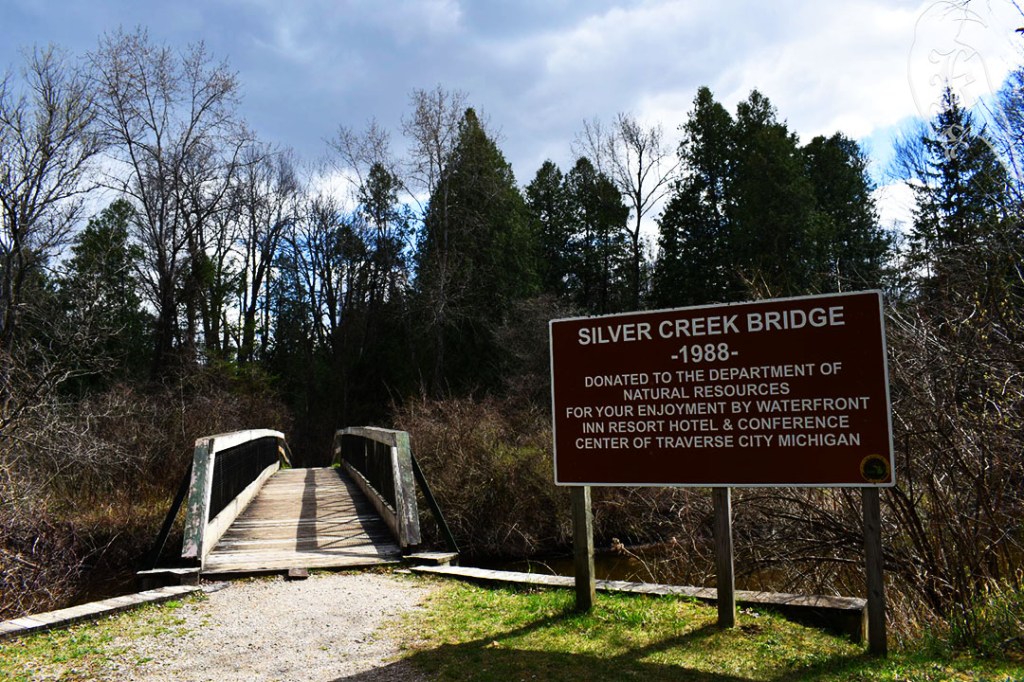
I really enjoyed this 4.9 miles trek, but it was terribly marked and dangerous at times. Essentially you follow Silver Creek between Silver Creek Campground and Lincoln Bridge Campground and then follow the creek back on the other side to complete the loop, leading to some gorgeous views of the water and some challenging inclines. Unfortunately, the trail is terribly marked and there is some pretty decent overlap with ORV trails, which poses some significant danger. In the entire trek, I saw four maps, and they were very helpful, especially when you consider trying to find your way along the trail portions you may run into vehicles on.

On top of unhelpful markings, there was no service at any point on the trail, which furthered the confusion on the trail as I tried to use AllTrails to keep my way. (This is a good argument for me to pay for Pro). I also wasn’t the only one having trouble. An unclear switch back led two other hikers and I to dead end at the creek, where we had to figure out where we were. If it hadn’t been for somebody else coming our way, it would have been difficult to figure out. We all got realigned to continue our treks and went our separate ways. I hope Betsy from Grand Rapids made it out okay with her dog. When we helped her get resettled on the trail, it was not promising as she mentioned her tendency of getting lost as she went on her way.

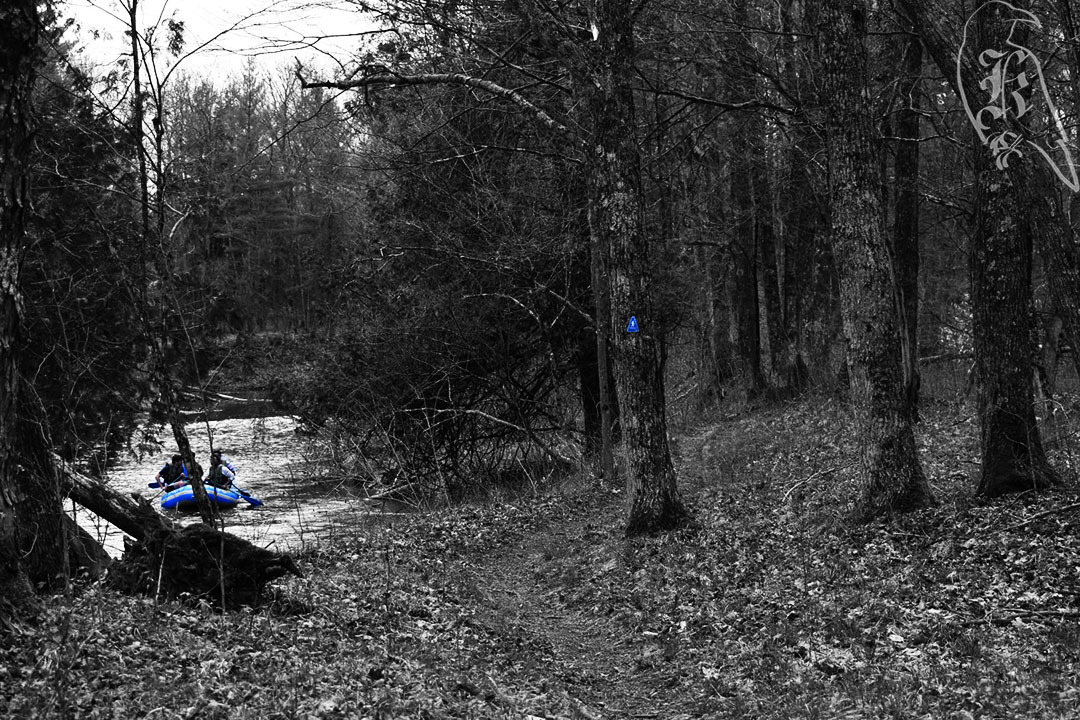
Heads up for those accessing the trail at Silver Creek Campground, there are only a few parking spots at the trailhead. I ended up walking in at the small parking area at the access road, that is for the boat ramp. I came across a canoe and a raft walking along the creek and saw kayakers launching when I left. It should also be mentioned that “creek” is a misnomer. Silver Creek is what I would consider a river, moves relatively fast, and looked deep at any point I got close to it.

Warren Woods, Mount Randal, and Baldtop

15, 16, and 17 of 52

Warren Woods

Warren Woods was a peaceful 1.8 mile trek through woods that reminded me of home in West Virginia. As of April 1, no more hunting is allowed in the area, so there were a good deal of people on the trails, from early bird watchers to families and dog walkers. There were a few areas that you had to climb over relatively large trees, but nothing too difficult. It was the first day I had hiked with forecasted rain, so I kept on my rain layer, but I didn’t need it and because it was just that layer and my base layer, I felt a little overheated from the material sticking to my skin uncomfortably.

Mount Randal Trail (Warren Dunes)

Warren Dunes is no joke and this 4.7 trek had me wanting to quit multiple times and definitely took a lot out of me. There were almost no markings on the trail, which made it difficult to follow because of the nature of hiking on sand and All Trails brought me in near the youth camping grounds instead of the main entrance. This meant that I started my hike tackling Great Warren Dune, and I was not prepared for that. 

Great Warren Dune (about halfway up)

In most cases, you can bypass the dunes, but I wanted to offer a bit of a challenge to myself as well, because it helps prepare you for coming across such things on longer hikes and helps you understand better what you need to focus on when training. I took a bit of time to myself at the top of Great Warren and did a bit of a change, taking off my second layer and my gloves and gulping down some much needed water. Even though it sat at a cool 60 most of the day, the dunes were just warmer and more muggy.

Lake Michigan

A good portion of this trail is walking along Lake Michigan, which was a nice, relaxing thing to do, especially as the lake was calmer than I have ever experienced it before. Then, you cut through the woods on your way up to Mount Randall, another, smaller dune. I made it about half way up before I literally crawled to the top and I spent a good ten minutes sitting at the bottom psyching myself up for it.

Mount Randal, from my perch trying to convince myself to go up it.

If you want to do the full trail (there are 7 miles worth of them at Warren Dunes State Park), I would suggest going in at the parks main entrance, which will help you build up to the more challenging aspects of the hike, like Great Warren Dunes.

Baldtop (Grand Mere)

Even after the exhausting trek at Warren Dunes, I had another, short trek planned for the day and, although it had started raining, I figured I could knock it out quickly and get back on the road home. 1.9 miles at Grand Mere introduced me to two other dunes, which were actually easier to tackle with the layer of wet sand on top of them. I took it slow though, because I was starting to have some issues with my left thigh, which I had last week but am unsure where the pain is coming from. (I’ll be trying to determine this and probably baby the area for the next week as I prep for my next set of trails.)


Baldtop is not marked at all, so I actually missed my access to the dune originally, taking another to get back to the Lake Michigan shores. There was a suggested loop in 50 Hikes in Michigan but the terrible marking of the trails, the exhaustion from my day, and the worsening weather made me abandon the idea of trying to find it and I stuck more to the All Trails map. I found Bald Top from the Lake Michigan side and hiked back across to the woods. Then, after stripping off my soaked clothing for a quick costume change, I headed home. While I kept my camera with me and my gear held up to the rain, I was sad I didn’t get as many pictures of Baldtop, but I was sure to snap a few and try to save my camera from the rain and the sand.

Wilderness Trail

14 of 52

After a weekend off and a rough week getting back to life, I headed out to Holly Recreation Area where I took on Wilderness Trail. I ended up going 6.3 miles on a hike that was recorded at 5.2 in 50 Hikes in Michigan but 5.7 in All Trails. All Trails had you enter at a different trailhead, which added to the distance, with the book having you pick up the trail in one of the camping areas.

It was a decently well-marked trail, although I got turned around at the ONE point that wasn’t marked well. If you head out this trail, DON’T go down the tiny, steep path just before/after the “rustic” campsite. It was a LOT of energy just to have to turn around and go back to end up where I was supposed to be. The campsite confused me as well. Marker 10 indicated crossing the campsite to Marker 11, which was true, but just confusing. To make it easier, just follow the site’s access road to the main road and cross there. You’ll find your marker easy enough, just across the road.

The trail was much more “among” things than I prefer. At one point I heard a horn for a good ten minutes. I’m assuming the good weather indicated that it was the local fire horn, not a lightning or tornado siren, which is what I’m used to. You also get pretty close to several “modern” camping locations, and I could hear the music from many of the sites on my walk.

Still, it was my first hike without snow! But, that means I was a little rough on my feet when it came to the uneven terrain. For the first time in about six months, I had some issues with some upper thigh pain in my “weak” leg (the one I had surgery on). It never hindered my ability to keep moving, but I don’t think I’d have been able to go as far as I usually do, if I had tried. Hopefully my next few treks will help my feet get my bearings a little better.

Marl Lake Loop and Lost Twin Lakes Pathway

12 and 13 of 52

Marl Lake Loop

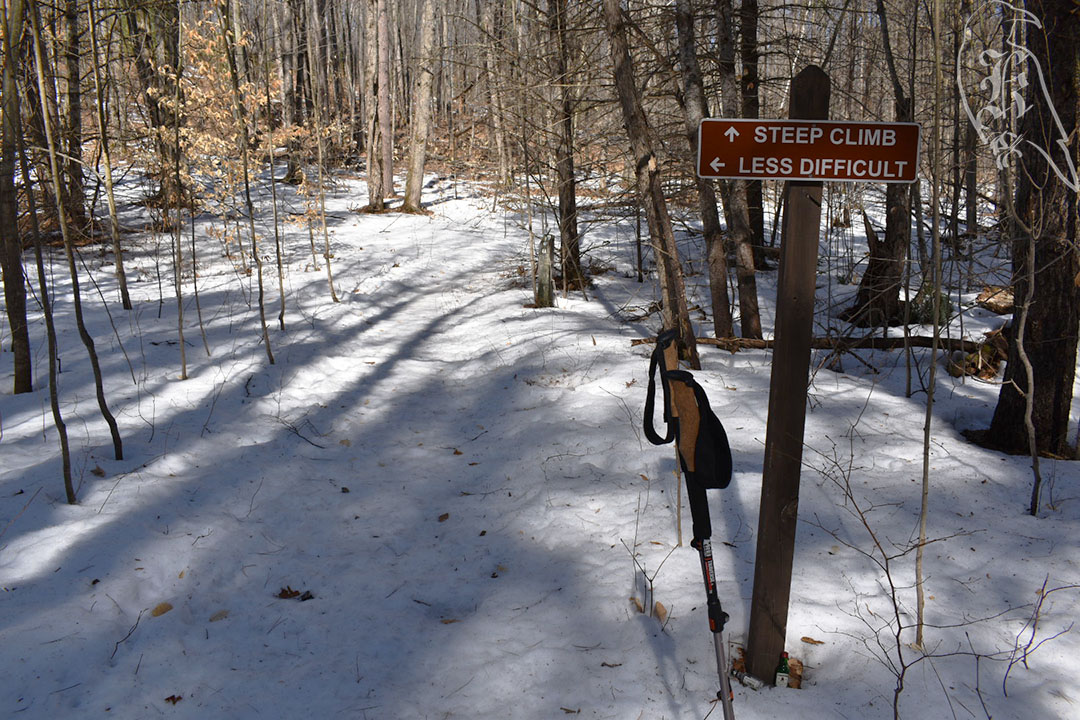
Marl Lake Loop is broken into three color-coded sections that are extremely well marked. I took the blue loop, which amounted to a recorded 5.2 miles. The farther you went in, the less traveled it clearly was. The green loop (2 miles) was a perfectly well traveled trail, with most of its trail exposed to the ground (leaves) and almost no obstructions. The red loop (3.5 miles) gave way to ice and trees down, while the blue loop (5.5 miles) gave way to snow and larger downed trees.

This was my first trail with no traction assistance on my feet, but the path had clearly experienced the strong winds that are known in Michigan from this time of year. I only saw one couple on the trail, and I’m pretty sure they were turning back, unable to challenge themselves with the obstructions. In most cases, the downed trees were easily navigable pines, but there were a few more challenging trees I had to pass. It was clear a bike had taken the trail at some point before me, and I commend that person for being able to make it through.

This set of trails also led to a new piece of gear to test, the pStyle, which is a personal urinary device that @_dragonsky__ suggested as she prepared for her thru hike of the Appalachian Trail (seriously guys, go check out her current journey). I did discover I had a bit of performance anxiety trying to use it, but I also think it’s going to be very helpful as I challenge myself to bigger and better trails and longer treks.

Lost Twin Lakes Pathway

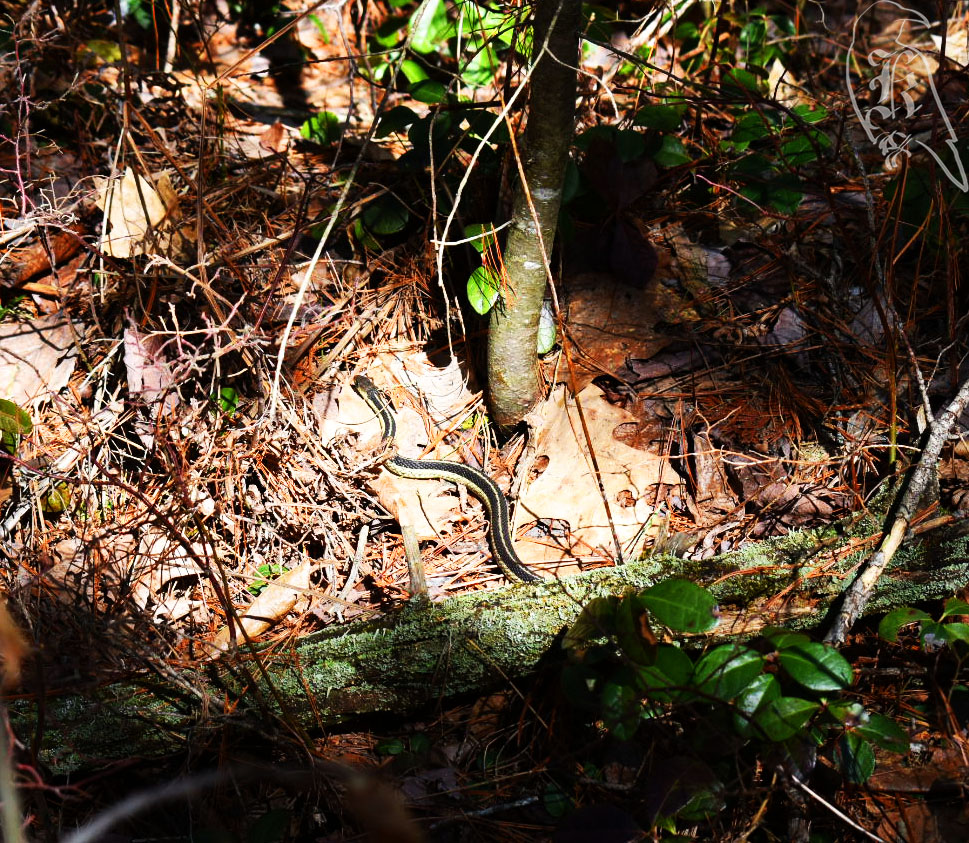
Then, it was off to the Lost Twin Lakes Pathway, which is a 3.4 mile trek and the one-quarter completion mark for my goal this year. The trail itself was terribly marked but well trodden and relatively easy to follow. I only came across two trail markers and one of them wasn’t even great at showing you where you actually were. This trail showed the greatest amount of life I’ve seen so far this year, with sightings of woodpeckers, chipmunks, and a snake!

I did have a relatively difficult time getting home after this one though. Beware when your GPS system warns you of “unpaved roads” on your journey. I drive a small SUV and I’m from West Virginia, so unpaved roads don’t usually deter me, but these “roads” were actually ATV trails and the further I went on them the more I questioned my decisions of following my GPS. I actually got stuck twice, but, thankfully, I kept my head about me and figured it out. I always keep my ice scraper in my car year round, so when I first got stuck, I was capable of digging out my wheels and rocking the car out. The second time, I actually had to remove a tree from the trail. 7 miles of “unpaved roads” and over half an hour of questioning my life choices, I made it out to hike another day. Be careful out there guys! This is exactly why I share my location with a friend when I solo hike (which is most of the time).

Testing Gear, Knowing Yourself, and Listening to Others

I take things seriously, even when I don’t have to. When I was a teenager, I even started carrying around an “apocalypse kit” in my car, but, as I’ve gotten much more into hiking, I’ve learned I’m probably much more prepared for such survival these days. I always have my gear in my car, unless I’m double checking items for an upcoming hike, so I can just go whenever I want to. I even almost always have a change of clothes I’d be comfortable hiking in with me. Because of this, I am meticulous about checking and testing gear. I’ll slightly change my approach to things or bring a new piece of gear with me. This leads to many weird looks on pretty “easy” trails, but I’d rather be safe than sorry, used to all of my gear, and fully prepared to take care of myself if something were to happen. Considering that I spend most of my time hiking alone, I find this extremely important.

Fully understanding yourself and your limits is also essential. This falls back onto the testing gear aspect. As a kid, I was pretty danger prone, so these days I know I have some issues I have to deal with that many others my age don’t. This goes from a bad wrist to a weak ankle and a quickly tiring knee due to an old injury. This doesn’t even account for things I’ve begun to deal with in recent years, like a bad back and managing my mental health. Knowing yourself and knowing the best way to approach these issues is key to successful hikes, especially as you go bigger and longer on the trails.

When I travel, I use a wrist brace, but I know this isn’t ideal on the trail, where you might need your hands in a split second, so I have taken to testing ideas to stabilize my wrist without giving up range of movement for my hand. In this search, I’ve also learned that I prefer to wear gloves, regardless of how warm it is, on the trail. Take the time to learn these things about yourself, because you’ll be more successful in the end because of it. Hiking is both a mental and a physical game, so you need to “gear up” with everything that makes it easier for your own individual experience.

Finally, learn from others. I constantly talk about my trips to REI to gear up, but be sure to talk with the employees if you stop in stores directly. Many of these people are just as interested in the same things you are and their expertise and experience can help you pick better gear and prepare for new experiences and approaches. REI and many others also have blogs with tips and tricks, but beyond this, look for people you identify with that you can learn from, or from people whose experience you can trust.

I have recently found Justin “Trauma” Lichter, who has over 35,000 trekking miles under his belt and has written to share his experiences with others (He has even written a small, pocket Survival Guide). While I don’t identify with him on a personal level, I have found some great things to test out and have found his experiences helpful.

I more identify with someone I found as I became more serious about hiking again last year. Shilletha, or @_dragonsky__ on Twitter, started a thru hike of the Appalachian Trail just a few weeks ago and her Twitter, YouTube, Patreon, and partnerships have provided a ton of helpful information in my approach to getting more serious about my own trekking. Her gear has led me to try some things and her own experiences have encouraged me to take myself more seriously as I embrace my inner nomad more fully.