

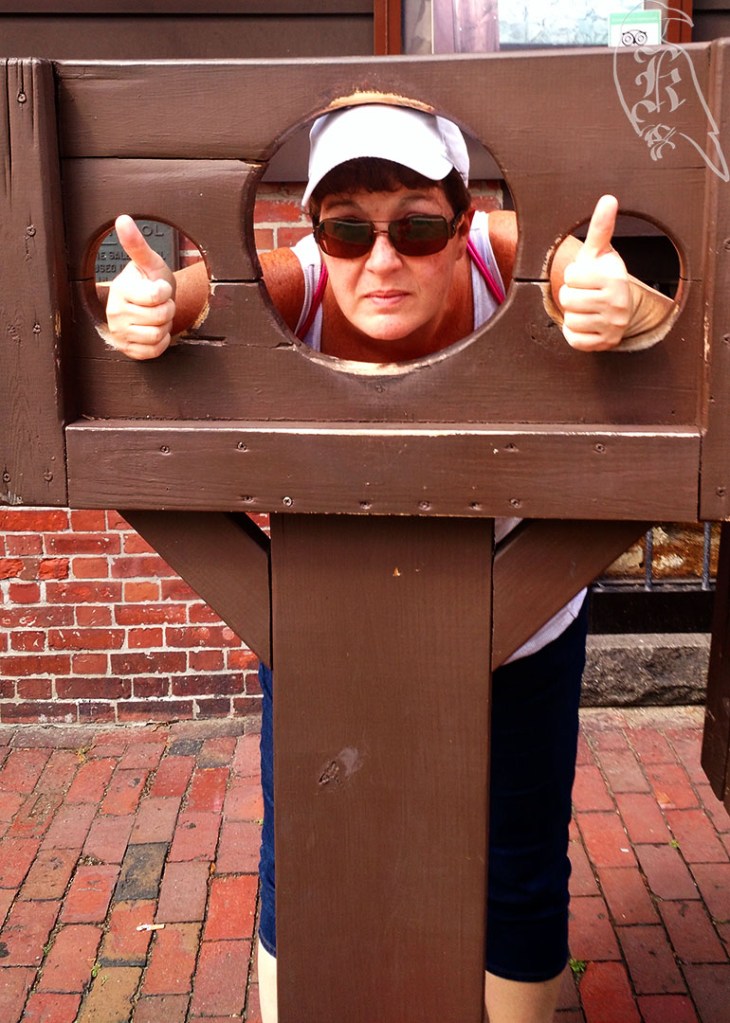
The St. Louis Gateway Arch Museum was way more interesting to me than the prospect of going to the top of the arch, so, while my brother and sister went on that journey, I took in the museum housed below it. My mom, not wanting to experience me in a museum, just sat and people watched while I took it in. She loves me, she does, but she once experienced historic Boston with me, and I think she knows better now.
The Arch Museum is actually more about the history of St. Louis than it is about the Arch. Broken into six sections, only one of them is dedicated to the architectural wonder that is sitting above you while you explore.
It was really cool to read about the Indigenous people the land belonged to, as I don’t know much about the Osage people, and the history that St. Louis sits in having gone through so many different colonial hands. The section on the Louisiana Purchase and the confusion this caused for the occupiers was actually something I hadn’t thought of before. Unfortunately, it doesn’t seem like the museum has caught up with the vernacular. This may be because it’s a National Park Service or it’s a difficult expense, but I was surprised to see “Indian” and “slave” used so prominently in the displays.
With the museum focusing on place, it was sometimes hard to wrap my head around the jumping information, even if it largely did focus on innovation. Jumping from the Indigenous people being removed from the land to architectural marvels and then onto Civil War innovations (4 of the ironclads were built just up river), I felt the museum often left me getting really interested in an idea just to immediately jump to something else. I appreciated that it addressed exploitation as well, but these were often small little placards, easy to miss, and then didn’t necessarily frame them for the atrocities they were. One such instance was the kidnapping of Mohongo and the Osage to put them on display in France. While this was framed as an atrocity, as the Frenchmen that kidnapped them abandoned these people in Europe when he got bored, the story then focused on the U.S. Government and its part in the story, eventually helping the party that survived return to the United States. Of course, what should I expect? A museum run by the U.S. Government is going to focus on those savior stories.
The event that took up the majority of my time, though, was the stories of the Great Fire of 1849. It had been introduced to us on our steamboat tour, but there was a decent focus on it in the museum as well. Of course, a fire burning down a good deal of St. Louis wasn’t enough, but it was also followed by an outbreak of Cholera. Still, the history claims that it only killed 3 people (including 1 firefighter) despite the massive damage it caused and the fact that it broke out late at night. It did lead to an interesting conversation with my mother though, as we were curious if the 3 was accurate, or if they just hadn’t counted the enslaved people that may have perished in the fire as well.
All-in-all, I really enjoyed my experience at the Arch Museum, and it was a nice day to take in a museum as well, especially after getting some good history explained to us on our ride up the Mississippi.















 Raven K